Author: Matt Anton

Who invented the dolly cart?

The Intriguing History of the Dolly Cart: Who Invented This Handy Tool?

The world is full of ingenious inventions that often go unnoticed in our daily lives. One such unsung hero of our day-to-day activities is the dolly cart. Whether you’re moving to a new apartment, shifting heavy objects in a warehouse, or loading up equipment for an event, the dolly cart has undoubtedly made the task easier. But have you ever stopped to wonder about the origins of this handy tool? In today’s post, we dive deep into the history of the dolly cart and uncover the genius behind its invention.

Ancient Roots and the Evolution of the Dolly

The idea of a wheeled apparatus to facilitate the transportation of heavy or cumbersome items isn’t a novel one. It dates back centuries. Long before the dolly cart as we know it existed, there were primitive versions in various cultures that aimed to achieve the same function: making heavy lifting easier.

Ancient civilizations, from the Mesopotamians to the Egyptians, used logs and rudimentary rollers to move colossal stones for construction. These could, in some ways, be considered the ancestors of our modern dolly carts.

Lester M. Sears: Modernizing the Dolly

Fast forward to the turn of the 20th century, when the modern dolly cart began to take a more recognizable form. An African American inventor by the name of Lester M. Sears is often credited with introducing the design that closely resembles our current hand trucks. In 1902, he patented what he termed the “truck and combination tool.” While it might not have been the very first of its kind, Sears’s design was undoubtedly a significant refinement of the concept.

The patent revealed a device that looked and operated much like the basic hand trucks we’re familiar with today. Designed to help individuals effortlessly transport heavy items, Sears’s invention marked a pivotal moment in the history of manual cargo transportation.

A Journey of Many Minds and Hands

However, while Sears might have brought a specific design to the limelight, it’s essential to appreciate that the road to the dolly cart’s invention was a collective journey. Over time, many inventors and cultures added their tweaks and refinements. Some enhanced its durability, others its maneuverability, and some focused on making it more user-friendly.

Conclusion: A Testament to Human Ingenuity

The dolly cart, in all its simplicity, is a testament to human ingenuity and the timeless need to make life a tad bit easier. Today we have cutting edge new “Scoop Dolly” carts. While the exact origins remain shrouded in the mists of time, and while many hands and minds played a role in its evolution, one thing is certain: the dolly cart stands as a symbol of innovation and progress.

Next time you use or spot one of these tools, take a moment to appreciate its rich history and the minds that contributed to its existence. Who knows, it might just inspire you to create the next everyday item that future generations couldn’t imagine living without!
Continue Reading

How to build a dolly cart? Step by Step DIY

Building a basic dolly cart can be an accessible and rewarding DIY project. While there are various types of dolly carts, this guide will provide step-by-step instructions for building a simple flatbed dolly cart. Once you understand the basic construction, you can tailor the design to fit your specific needs.

Materials:

  • 1 plywood sheet (3/4-inch thick, at least 18×32 inches)
  • 4 swivel caster wheels (preferably with brakes)
  • 16 wood screws (length suitable for the thickness of your plywood and the wheel brackets)
  • Sandpaper (medium grit)
  • Wood finish or paint (optional)
  • Handle or strap (optional, for easier maneuverability)

Tools:

  • Saw (if you need to cut the plywood)
  • Power drill with a drill bit and screwdriver bit
  • Ruler or tape measure
  • Pencil
  • Safety goggles

Instructions:

  1. Preparation:
    • Make sure your plywood piece is the desired size. If you need to cut it, mark the measurements and saw the piece down to size. For this guide, we’ll assume an 18×32-inch rectangle.
    • Sand down the edges of the plywood to avoid any splinters.
  2. Position the Wheels:
    • Turn the plywood sheet upside down.
    • Place one caster wheel near each corner, ensuring they are evenly spaced and not too close to the edge. Mark the screw holes of each caster with your pencil.
  3. Drill Pilot Holes:
    • Safely put on your safety goggles.
    • Drill a small pilot hole on each of the marks you made for the caster wheels. This will make it easier to screw in the wheels and prevent the wood from splitting.
  4. Attach the Wheels:
    • Align the caster wheels with the pilot holes.
    • Using the wood screws, attach each wheel to the plywood. Ensure the wheels are securely fastened and the swivel function is working smoothly.
  5. Finishing Touches:
    • If desired, apply a finish or paint to the plywood to enhance its appearance and durability. Allow ample drying time based on the manufacturer’s instructions.
    • For easier maneuverability, consider attaching a handle or strap to one end of the dolly. Ensure it’s securely fastened.
  6. Testing:
    • Turn the dolly cart right side up and give it a test. Place a heavy object on the dolly and push it around to see how well it moves.

Safety Tips:

  • Always wear safety goggles when cutting or drilling.
  • Make sure your work area is well-lit and free from obstructions.
  • Choose swivel casters with brakes for added safety, especially if using the dolly cart on inclines.

Conclusion:

Building your own dolly cart is not only cost-effective but also allows for customization based on your requirements. Once you’ve mastered the basic design, consider experimenting with different materials, sizes, or added features like shelving or padding. Whether for home or professional use, a DIY dolly cart can prove invaluable for various applications. If you need an industrial grade strength dolly check out the Scoop Dolly by SawTrax.

Continue Reading

What is a Dolly Cart?

What is a Dolly Cart
Ever wondered what exactly is a dolly cart, and what’s it used for?

The Essential Guide to Dolly Carts: What They Are and How They Transform Our World

Whether you’re planning a move, working on a construction site, or just doing some heavy lifting at home, there’s one tool that can make the process infinitely smoother: the dolly cart. Often overlooked yet incredibly essential in numerous scenarios, the dolly cart stands as a testament to human innovation in making tasks more manageable. This guide dives deep into the world of dolly carts, exploring their many uses and their transformative impact.


What is a Dolly Cart?

At its core, a dolly cart, commonly referred to as a “dolly,” is a platform on wheels designed to transport heavy or cumbersome items. But it’s much more than just that. It’s a blend of simplicity and practicality, a tool that reduces manual effort, increases efficiency, and prevents potential strain or injury. Dollies come in various shapes, sizes, and functionalities, from basic flatbeds to specialized designs tailored for specific tasks.


The Diverse World of Dolly Carts

Dollies are used in a myriad of settings, a testament to their versatility. Here’s a glimpse into some of their fascinating applications:

  • Warehousing and Storage: Dollies simplify the daunting task of moving large crates, inventory, and equipment within expansive warehouse spaces.
  • Retail’s Best Friend: Retail employees swear by them for transporting stock from storage to store shelves or assisting customers with hefty purchases.
  • Office Overhauls: Think of corporate relocations or office revamps; dollies are right there, making the moving of hefty printers, stacks of files, and office furniture a breeze.
  • At Home with the Dolly: Home renovations, gardening, or even a simple furniture shuffle – the domestic avatar of the dolly is every homeowner’s dream.
  • Behind the Scenes: In the glamorous world of Film & Television, dollies have a less limelight-filled role, yet they’re indispensable. They swiftly move props, equipment, and set pieces, ensuring the magic continues uninterrupted.

Design and Variety

Given their vast applicability, it’s no surprise that dolly designs are just as diverse:

  • Flatbeds: Simple platforms with wheels; they’re a blank canvas perfect for any heavy object.
  • Handle Dollies: Offer a vertical handle, ensuring better control and maneuverability.
  • Shelf Dollies: Multi-tiered, they’re great for organized transport, especially in retail or catering.
  • Specialized Dollies: This category houses unique gems like adjustable-size dollies for varying loads, drum dollies tailored for barrels, or rugged construction-focused designs.

The Dolly’s Impact

The profound impact of the dolly cart lies in its simplicity. By aiding in the movement of heavy objects, it not only makes tasks more manageable but also drastically reduces the risk of injuries. Its presence ensures efficiency in industries, aids in quick setups in entertainment, and simplifies household chores.


Conclusion

In a world obsessed with technological advancement, the dolly cart reminds us that sometimes, the most impactful innovations are simple, practical tools that make everyday tasks easier. Whether you’re a homeowner, a warehouse manager, a filmmaker, or just someone who appreciates the beauty of functional design, the dolly cart deserves a nod of gratitude. So, the next time you see one, take a moment to appreciate this unsung hero that silently wheels our world forward.

Continue Reading

What are the Applications for a Dolly Cart?

Applications and Uses of a Dolly Cart
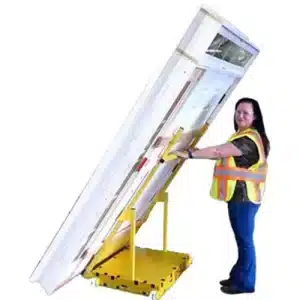
the uses of a dolly cart vary widely and depend upon the dolly carts function and versatility. Some enable kayaks to be moved, soil, mattresses, sheet rock, boxes and equipment

Dolly carts, often simply referred to as “dollies,” are versatile tools used in various industries and settings to simplify the process of moving heavy or bulky items. Here are 20 of the most  common applications for a dolly cart:

  1. Warehousing and Storage: Moving large crates, boxes, and inventory within warehouses.
  2. Retail: Transporting stock from storage areas to store shelves, or moving heavy merchandise for customers.
  3. Office Relocation: Used for moving office equipment, like printers, boxes of files, desks, or chairs.
  4. Furniture Moving: Ideal for relocating sofas, wardrobes, tables, and other furniture pieces, whether during a house move or within a furniture showroom.
  5. Appliance Transport: Assisting in the movement of heavy appliances such as refrigerators, washing machines, and ovens.
  6. Concerts & Events: Moving heavy equipment like amplifiers, speakers, and stage setups.
  7. Construction Sites: Transporting materials like bags of cement, bricks, and tiles. Some dollies are specially designed for rugged terrains found on construction sites.
  8. Home Use: Assisting with domestic tasks, such as moving planters, shifting furniture, or any heavy objects during home renovations.
  9. Film & Television Production: Moving props, equipment, and set pieces efficiently on and off set locations.
  10. Hospitality: Hotels and resorts often use dollies to move luggage, laundry, catering equipment, or large quantities of food and beverages.
  11. Libraries & Archives: For transporting heavy stacks of books or archival boxes.
  12. Medical Facilities: Moving medical equipment, patient beds, and supplies.
  13. Automotive Workshops: Shifting car parts, especially heavy ones like engines or tires.
  14. Moving Companies: Essential tools for professional movers, especially for residential or commercial relocations.
  15. Gardening & Landscaping: Used to move heavy bags of soil, compost, large plants, or decorative stones.
  16. Airports: Transporting luggage, cargo, or other equipment across vast airport facilities.
  17. Breweries: Moving barrels, kegs, or large containers of liquids.
  18. Agriculture: Useful in farms for moving sacks of feed, produce, tools, and equipment.
  19. Photography Studios: Moving heavy lighting equipment, backdrops, and props.
  20. Workshops & Craft Centers: Transporting materials, finished products, and tools.

Remember, the type of dolly cart you’d use varies based on its design, capacity, and the specific application. Some might be flatbeds, while others could have handles or multiple shelves. There are also specialized dollies with unique features tailored for specific tasks, like adjustable-size dollies, drum dollies for barrels, or machine dollies designed for heavy equipment.

Continue Reading

Can a Dolly Cart be Used to Move a Mattress?

Move a Mattress with a Dolly
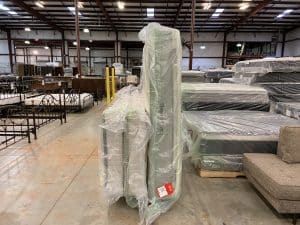
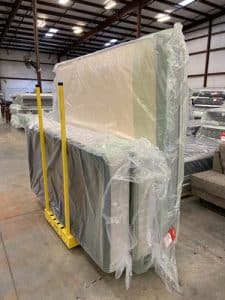
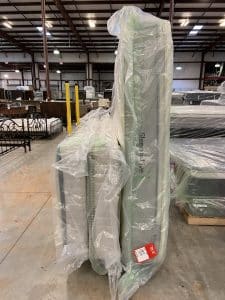
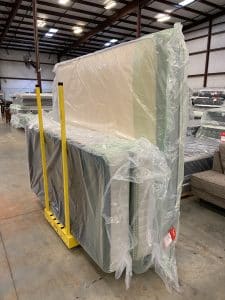
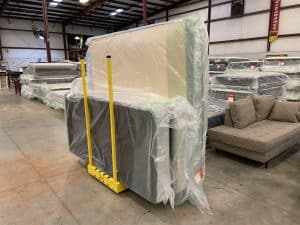
moving a mattress can be much easier with a dolly. It requires high posts that are adjustable (based on the size of the bed such as King or Queen, and height

If you’ve ever tried to move a mattress, you know it’s not a walk in the park. These bulky items can be unwieldy, heavy, and difficult to maneuver. Thankfully, modern technology and innovation have presented solutions for easing this task, like the use of dolly carts. But the question remains: can a dolly cart really be used to move a mattress efficiently? Let’s delve into the topic.

The Mechanics of Moving a Mattress

Mattresses, regardless of their type—foam, innerspring, hybrid, or latex—are hefty and cumbersome. Their flexible nature can make them tricky to move, as they can bend, sag, or fold unexpectedly. Traditional methods, such as carrying by hand, can put a strain on your back, risk damage to the mattress, and require multiple people. This is where a dolly cart enters the picture.

The Role of a Dolly Cart

A dolly cart is a platform on wheels designed to transport heavy or bulky items. When it comes to moving a mattress, a dolly can:

  • Reduce the physical strain on the mover, as the weight of the mattress is distributed across the platform.
  • Allow for easier navigation through tight spaces, thanks to its wheels.
  • Increase efficiency, as less time and effort is spent adjusting and readjusting the mattress during the move.

But All Dollies Are Not Made Equal

While a generic dolly can aid in moving mattresses, certain features can make the task even smoother. Some dollies come with adjustable configurations, corner protectors, or special designs tailored for mattresses.

Enter the yel-Low Safety Dolly

Considered an “indestructible dolly,” the yel-Low Mattress Moving Safety Dolly stands out as an innovative choice for moving various items, including mattresses. Here’s why:

  • High Weight Capacity: It can support up to 1000 lbs, ensuring even the heaviest mattresses can be transported easily.
  • Low Loading Height: The unique low design allows for easier loading. Instead of lifting, one person can simply tilt the mattress to place it on the dolly, reducing the risk of back injuries.
  • Reconfigurable Post System: This system ensures that items are snugly fit, preventing them from falling during transport. For mattresses, this means a secure fit without wobbling or slipping.
  • Safety Features: The yel-Low Safety Dolly is designed with safety at the forefront. If mis-loaded, it won’t topple but will merely tilt, preventing potential injuries.
  • Comparison to Traditional Tools: The yel-Low Safety Dolly is lower than a regular floor dolly, facilitating easier loading. Plus, its post system can be adjusted to snug items in place, which is not a feature commonly found in traditional carts or hand trucks.
  • Versatility: The dolly can be used in various configurations, depending on the item being moved. For mattresses, there’s even a dedicated ‘Mattress Dolly’ variant equipped with longer posts and corner protectors.
  • Durability: Made from a uni-body 12 gauge steel powder-coated frame, this dolly is robust, ensuring longevity.
  • Economical: By enabling one person to do what would traditionally require two or four, the yel-Low Safety Dolly offers enhanced productivity, potentially saving costs in manpower.

How About a KING and QUEEN Mattress?

King Mattresses pose similar challenges but they are magnified because of it’s sheer size and weight. You’ll want a wider base for stability to carry the payload such as our Shuttle Dolly

King Mattress Dolly King and Queen Mattress Dolly Moving a King Mattress Dolly for King Mattress Dollies for Mattresses

Conclusion

Yes, a dolly cart can be used to move a mattress, and using specialized dollies like the yel-Low Safety Dolly can make the task much easier, faster, and safer. Whether you’re in the hotel industry, moving business, or just shifting house, investing in a high-quality dolly can save you time, money, and potential injuries.

Continue Reading